In today’s food business environment demands a dependable meat supplier
The modern food and hospitality environment has made it necessary for food businesses to find the appropriate meat supplier to guarantee a constant supply of fresh, quality products; safe food; and happy customers.
Whether your business is a cafe, restaurant, hotel, catering company, grocery store, or food manufacturing plant, having a trusted meat supplier will aid in developing a consistent relationship with your customers and assist in growing your business over the long term.
A good meat supplier is much more than just providing you with fresh meat. Your meat supplier should be able to consistently deliver dependable sources, properly process, store and transport your meat at the correct temperature in the cold chain and offer you a diverse selection of premium-quality meat products.
Depending upon your business needs (beef, chicken, lamb and seafood) your meat supplier must assure that all meat products provided to you are of the highest quality possible.
This article discusses the necessity of locating a trusted meat supplier; the benefits you receive when you partner with a good meat supplier; and the things you need to think about prior to selecting a meat supplier.
Why Selecting a Good Meat Supplier is Important
Quality of the meat supplied directly affects the customer’s eating experience. When poor-quality products are consumed by your customers, it may negatively affect taste and texture. Additionally, failure to follow food safety guidelines could ultimately damage your business’ reputation.
Your business requires suppliers who can support you with:
- Fresh and Frozen meat supply
- Halal-certified products
- Order fulfilment for bulk orders
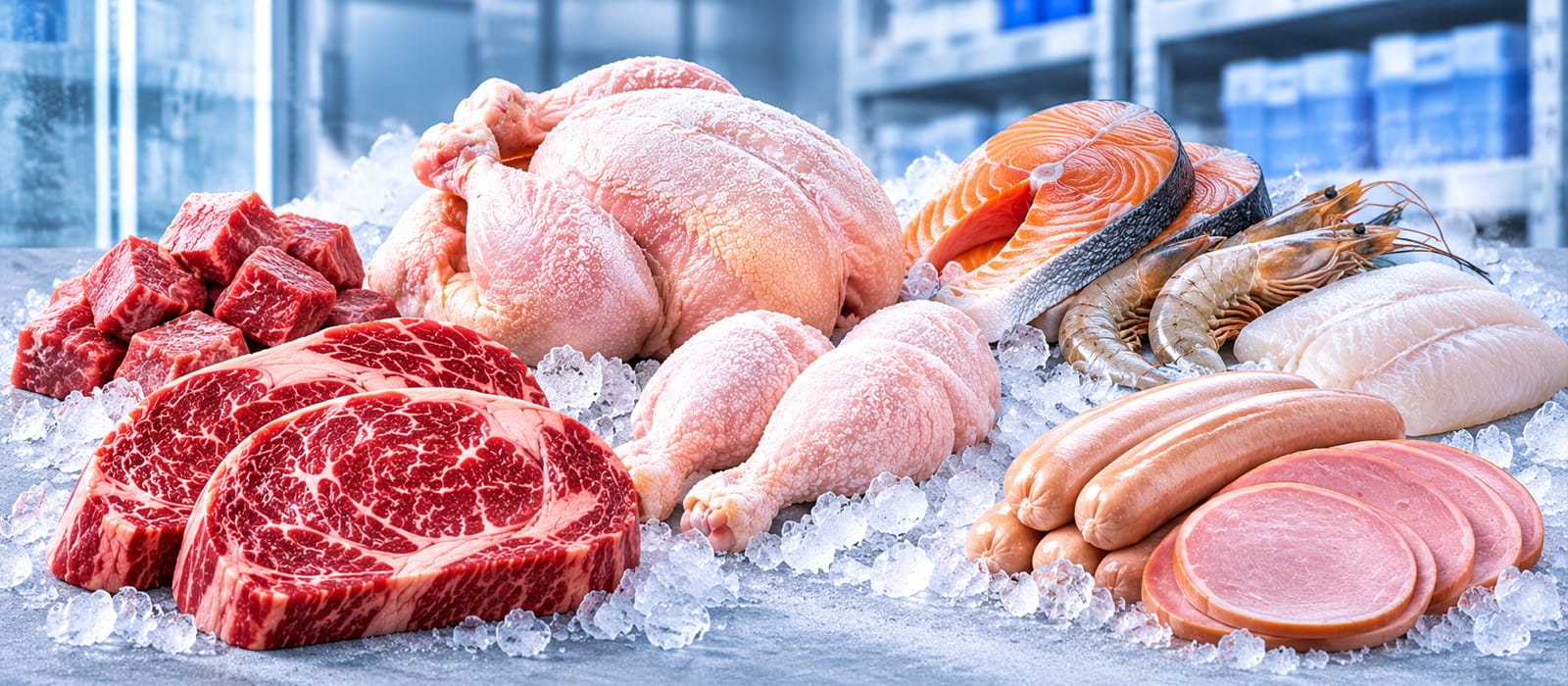
- Reliable cold storage and transportation of meat products
- Supplying custom cuts of meats and portion control
- Competitive pricing for commercial buyers
A good meat supplier knows the needs of commercial kitchens and large volume operators which enables them to assist you in being efficient and consistent.
Types of Meat Products that Can be Supplied by a Meat Supplier
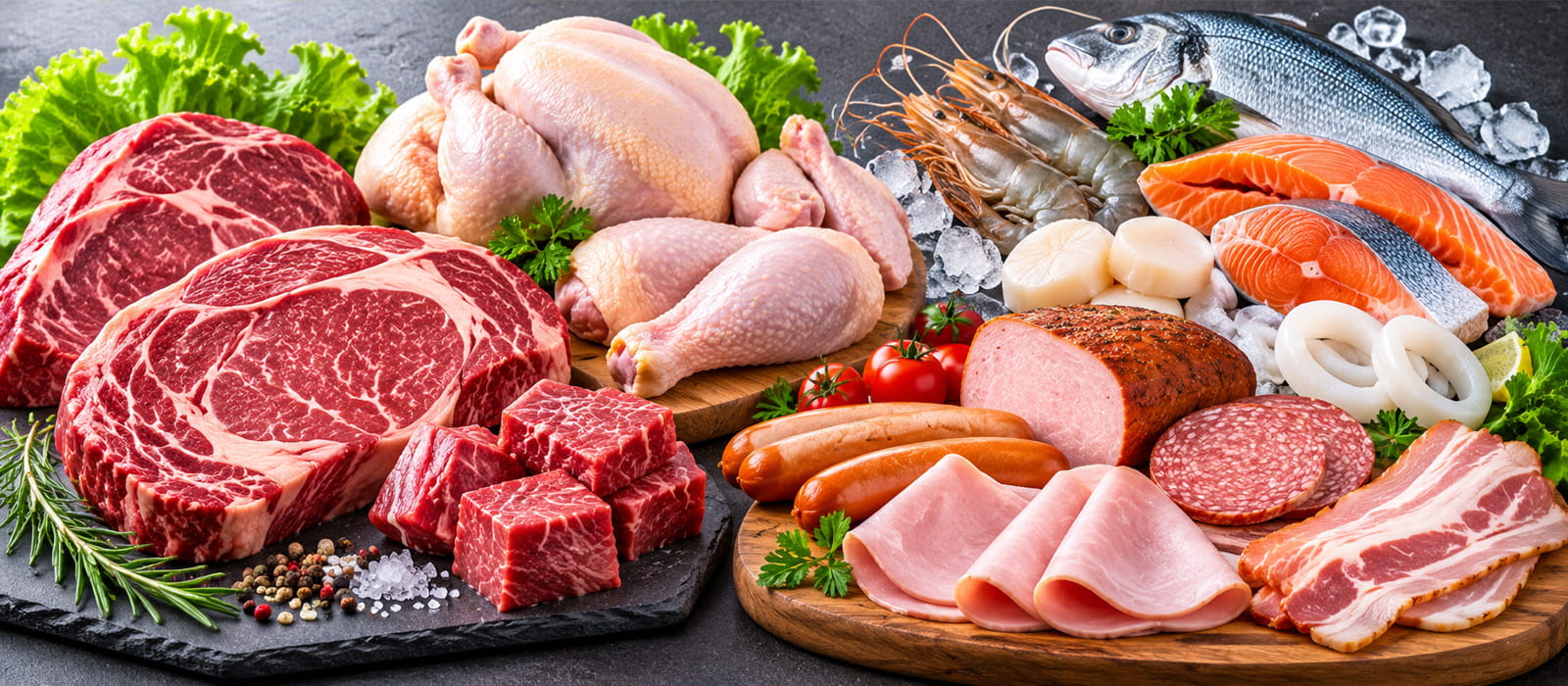
A good meat supplier typically supplies a complete line of meat products to serve different types of industries and cuisines.
Beef Supply
Beef is still considered one of the most popular forms of meat in the world. Suppliers who sell high-quality beef supply their clients with premium-quality beef cuts that are ideal for restaurants, steakhouses, hotels, and retailers.
Some common beef products offered by quality suppliers include:
- Ribeye steak
- Sirloin
- Tenderloin
- Short ribs
- Ground beef
- Beef cubes
- Wagyu beef
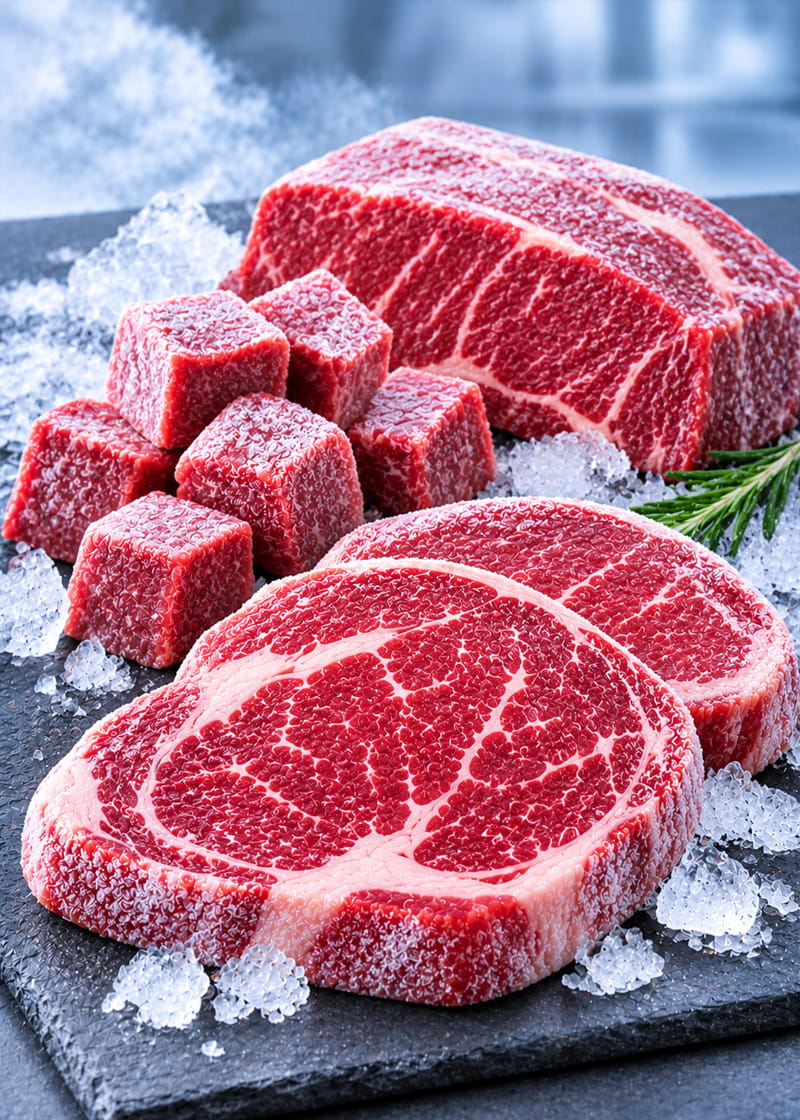
Quality beef should have proper marbling; be fresh; and have a consistent texture.
Chicken Supply
Chicken is an extremely versatile product that is commonly used in restaurants, cafes, and catering services because of its affordable price and diversity.
A good meat supplier may offer:
- Whole chicken
- Breast chicken
- Thigh chicken
- chicken wings
- Boneless chicken cuts
- Pre-marinated chicken products
It is extremely important for chicken products to be fresh and handled in a sanitary manner.
Lamb and Mutton
Lamb and mutton are commonly used in the cuisine of Asia, the west and the middle east. A good meat supplier will ensure that their lamb and mutton products are tender; and stored correctly so that flavour and texture are maintained.
Popular lamb products include:
- Lamb rack
- Lamb shoulder
- Lamb chop
- Lamb leg
- Diced lamb
Seafood and Processed Meat
Many meat suppliers extend their product lines into seafood and processed meat products so that they can provide all their food business clients with one-stop shopping.
Examples of additional products that a good meat supplier might supply include:
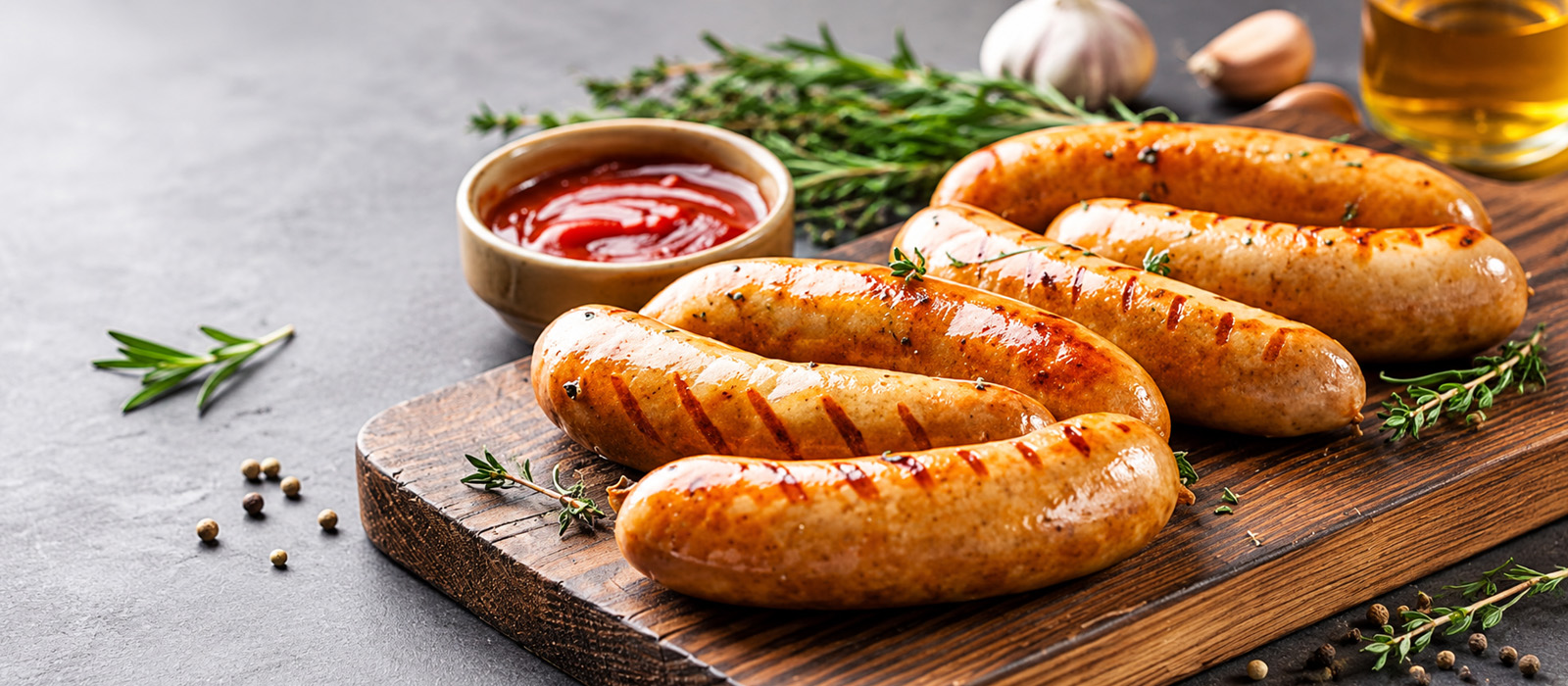
- Sausages
- Burger’s patties
- Smoked meats
- Frozen Seafood
- Ready-to-cook products
This enables restaurants and retailers to simplify their procurement activities by using a single supplier.
Important Traits of a Trustworthy Meat Supplier
When evaluating potential suppliers for your business needs there is more involved than simply finding the lowest cost. Prioritize the qualities of dependability, food safety and operational capabilities.
Consistent Quality of Products
Consistency is vital in the food industry. All your customers want to receive the same quality product each time they visit your establishment or buy products from you.
A good meat supplier follows rigid quality control measures to ensure:
- Freshness of products
- Products were stored at the proper temperatures
- Products were Processed in a clean manner
- All cuts of meat are standardized and portions are uniform
- Adherence to all food safety standards
Food safety standards are critical to meat handling and distribution
Only those meat suppliers who adhere to established food safety standards should be selected by your business.
You should seek out suppliers who have obtained:
- HACCP certification
- Halal certification
- GMP compliances
- Effective cold chain logistics
Obtaining these certifications can help ensure safe consumption and compliance with government regulations.
Reliable Delivery Services
On-time delivery is equally important to food businesses. Delays in receiving products can cause disruptions in daily operations; and subsequently deplete inventory levels.
A professional meat supplier should have the capacity to provide:
- Scheduled deliveries
- Transportation at controlled refrigerated temperatures.
- Manage inventory effectively.
- Support for emergency order requests
Dependable delivery services will ensure that your fresh meat products will arrive safely at your facility.
Reasonably Priced Goods
Cost management plays a major role in the food industry. The right supplier balances competitive pricing with high product quality.
Bulk purchasing options often provide better value for:
- Restaurants
- Catering businesses
- Hotels
- Food manufacturers
- Supermarkets
Long-term supplier relationships may also result in customised pricing packages.
Advantages of Partnering with an experienced meat distributor
There are numerous benefits associated with establishing long-lasting partnerships with professional meat suppliers.
Enhanced Product Consistency
Product consistency contributes significantly toward increasing customer satisfaction and strengthening your brand image.
Reliable suppliers can assist you in assuring that all of your delivered items exhibit identical characteristics.
Timesaving Purchasing Activities
Managing multiple suppliers can waste a great deal of time. Establishing a partnership with an experienced supplier can simplify purchasing activities by offering you access to an extensive selection of items under one roof.
This enhances productivity; eliminates unnecessary labour hours.
Access to Premium-quality Foods
Experienced suppliers frequently have access to higher grade foods/products which may not be readily available via smaller distributors.
Examples include:
- Australian Beef
- Japanese wagyu
- New Zealand lamb
- Grain-fed Beef
These products help restaurants create premium dining experiences.
Scalability for Growing Businesses
As businesses expand, supply requirements increase. A dependable meat supplier can scale production and logistics according to business growth.
This is particularly important for:
- Restaurant chains
- Food franchises
- Catering companies
- Retail distributors
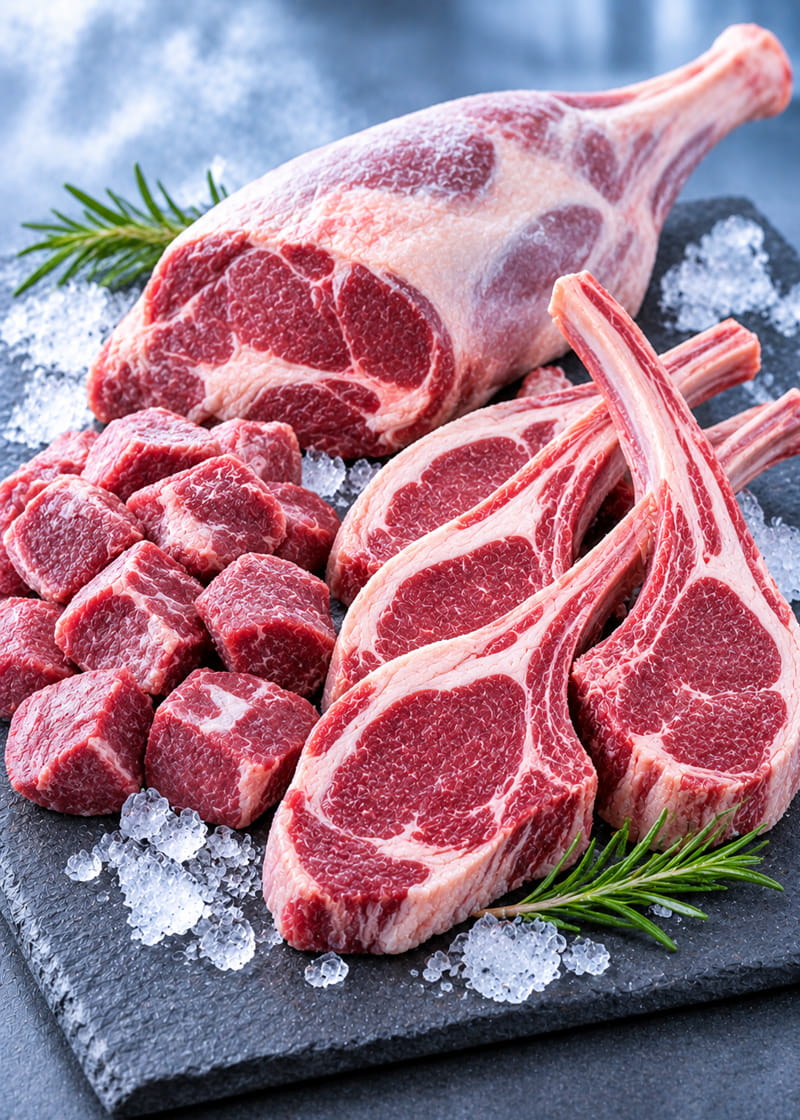
Meat Supplier for Restaurants and Hotels
Restaurants and hotels require reliable supply chains to maintain service quality and customer satisfaction. A professional meat supplier supports commercial kitchens with customised solutions tailored to operational needs.
Services may include:
- Portion-controlled meat cuts
- Vacuum-packed products
- Marinated meat preparation
- Frozen storage support
- Bulk ordering systems
Hotels and restaurants also benefit from suppliers capable of handling high-volume orders during peak seasons and special events.
Importance of Halal Meat Supply
In many markets, halal-certified meat products are essential for serving Muslim consumers. A trusted meat supplier ensures proper halal handling procedures from sourcing to distribution.
Halal meat supply involves:
- Certified slaughtering practices
- Hygienic processing
- Segregated storage
- Compliance with halal standards
Businesses serving halal markets should always verify supplier certifications before procurement.
Sustainable and Ethical Meat Sourcing
Modern consumers are increasingly concerned about sustainability and ethical sourcing practices. Many food businesses now prioritise suppliers that support responsible farming and environmentally friendly operations.
A responsible meat supplier may focus on:
- Sustainable livestock farming
- Ethical animal welfare
- Reduced environmental impact
- Traceable sourcing systems
Sustainability practices can improve brand image and align with evolving consumer expectations.
How to Choose the Best Meat Supplier
Before selecting a supplier, businesses should evaluate several important factors.
Assess Product Variety
Choose a supplier capable of offering a broad product range to simplify purchasing processes.
Review Certifications
Ensure the supplier meets food safety and halal certification standards where applicable.
Evaluate Delivery Capability
Reliable cold-chain logistics are essential for maintaining meat freshness and safety.
Compare Pricing and Flexibility
Competitive pricing should be balanced with product quality and service reliability.
Read Customer Reviews
Testimonials and business references help assess supplier reputation and service consistency.
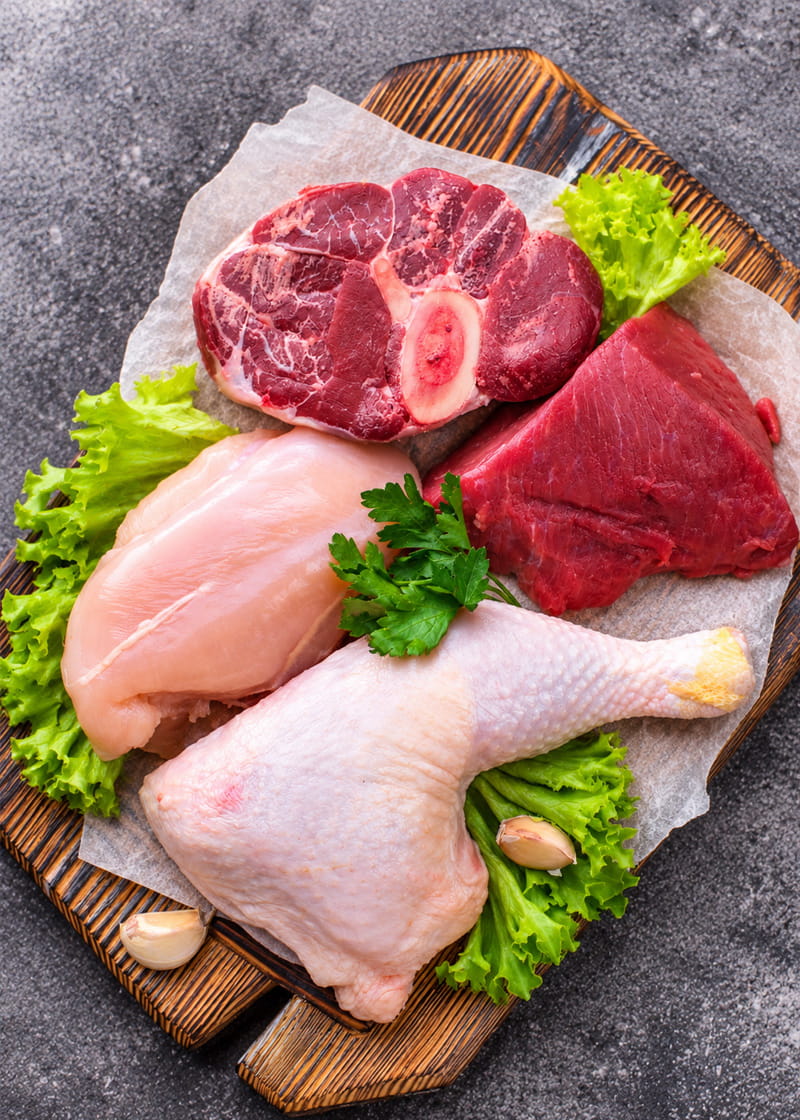
Future Trends in the Meat Supply Industry
The meat supply industry continues evolving to meet changing consumer demands and technological advancements.
Emerging trends include:
- Online meat ordering platforms
- Automated cold storage systems
- Sustainable meat sourcing
- Plant-based product integration
- Traceability technology
Forward-thinking suppliers that embrace innovation are better positioned to support future market demands.
Conclusion
Choosing the right meat supplier is a critical decision for any food-related business. Product quality, food safety, delivery reliability, and pricing all contribute to long-term operational success. Whether supplying restaurants, hotels, supermarkets, or catering companies, a dependable supplier helps businesses maintain consistency while meeting customer expectations.
A professional meat supplier not only delivers fresh and premium-quality products but also supports business growth through efficient logistics, scalable solutions, and industry expertise. By partnering with a trusted supplier, businesses can strengthen their reputation and provide better dining experiences for their customers.
FAQs About Meat Supplier
A reliable meat supplier ensures consistent product quality, food safety compliance, and timely delivery, helping businesses maintain operational efficiency and customer satisfaction.
Most meat suppliers provide beef, chicken, lamb, seafood, processed meat products, and customised meat cuts for commercial and retail use.
Check for certifications such as HACCP, halal certification, and GMP compliance. Customer reviews and consistent delivery performance are also important indicators.
- Can a meat supplier handle bulk commercial orders?
Yes, professional meat suppliers typically support bulk ordering for restaurants, hotels, catering companies, and supermarkets.
Cold-chain logistics maintain proper storage temperatures during transportation, ensuring meat products remain fresh and safe for consumption.
Many suppliers offer halal-certified meat products that comply with recognised halal handling and processing standards.
Long-term partnerships often provide better pricing, consistent product quality, priority delivery scheduling, and customised supply solutions.
Restaurants should prioritise product quality, delivery reliability, food safety compliance, competitive pricing, and the supplier’s ability to handle custom orders.
Yes, sustainable sourcing supports ethical farming practices, environmental responsibility, and growing consumer demand for transparency.
Professional meat suppliers often offer customised cuts, portioning, marination, and packaging services tailored to commercial kitchen requirements.