The demand for high-quality meat products in Malaysia continues to grow as consumers become more conscious about freshness, hygiene, halal certification, and premium sourcing. Whether for households, restaurants, hotels, supermarkets, or food manufacturers, selecting the right meat supplier in Malaysia is essential to ensure consistent quality, food safety, and customer satisfaction.
Malaysia’s food industry is rapidly evolving, with consumers expecting fresher meat products, better cold-chain logistics, and wider selections of beef, poultry, lamb, and seafood. As a result, reliable meat suppliers now play a major role in supporting the country’s food and hospitality sectors.
In this article, we explore the growing meat industry in Malaysia, the types of meat products available, the importance of quality assurance, and how businesses can choose the best meat supplier for long-term success.
The Growing Demand for Meat Malaysia Products
The food and beverage industry in Malaysia is expanding steadily due to population growth, urbanisation, tourism, and increasing dining trends. From restaurants and cafés to catering companies and retail chains, businesses require dependable access to fresh and frozen meat products every day.
Consumers today are also more selective when purchasing meat. They prioritise:
- Freshness and hygiene
- Halal-certified meat products
- Premium cuts and consistent quality
- Safe packaging and cold storage
- Competitive pricing
- Reliable delivery services
Because of these expectations, the neat industry in Malaysia has become more competitive and quality-driven than ever before.
Types of Meat Available in Malaysia
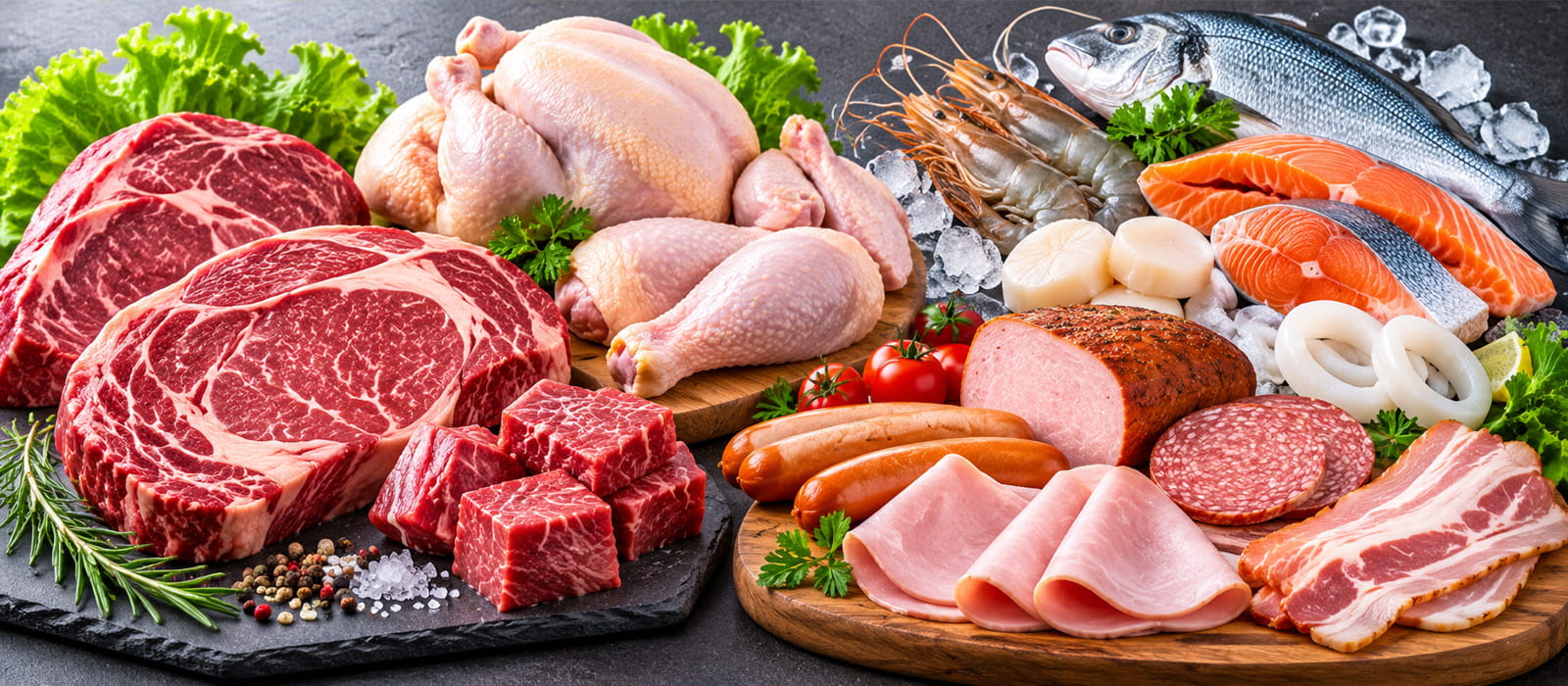
Malaysia offers a diverse range of meat products to meet different culinary and commercial requirements. Trusted suppliers usually provide both local and imported meat selections.
Beef
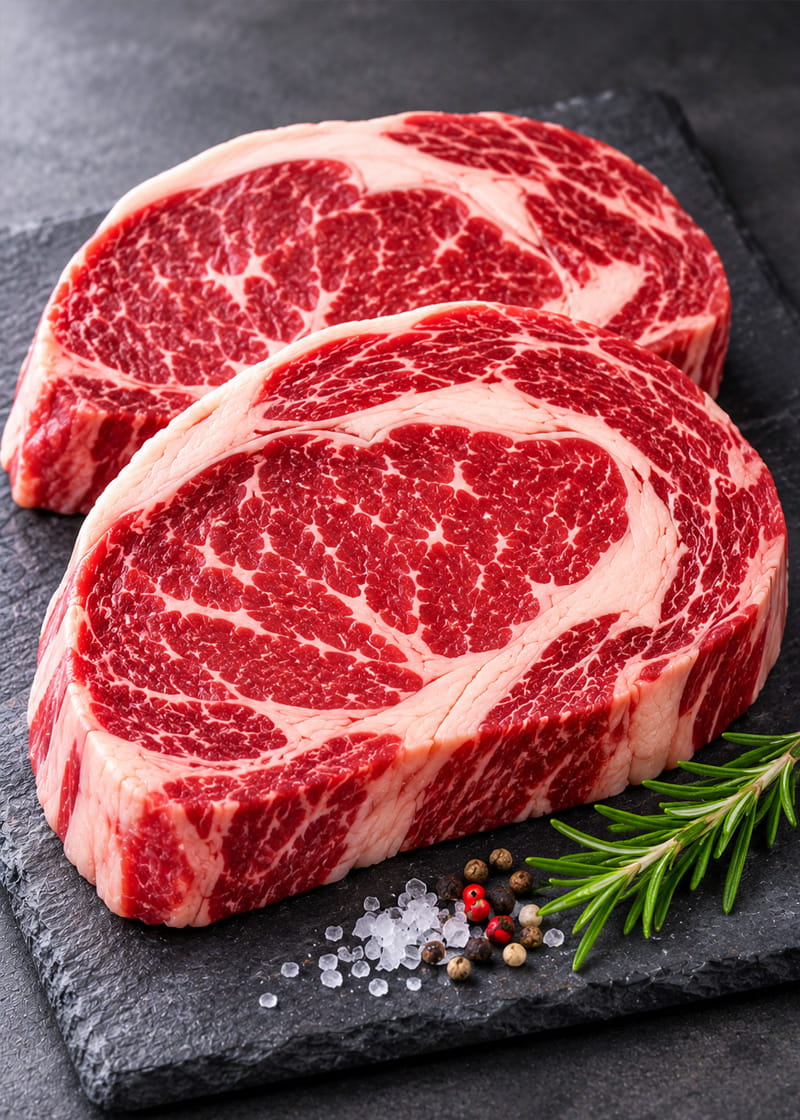
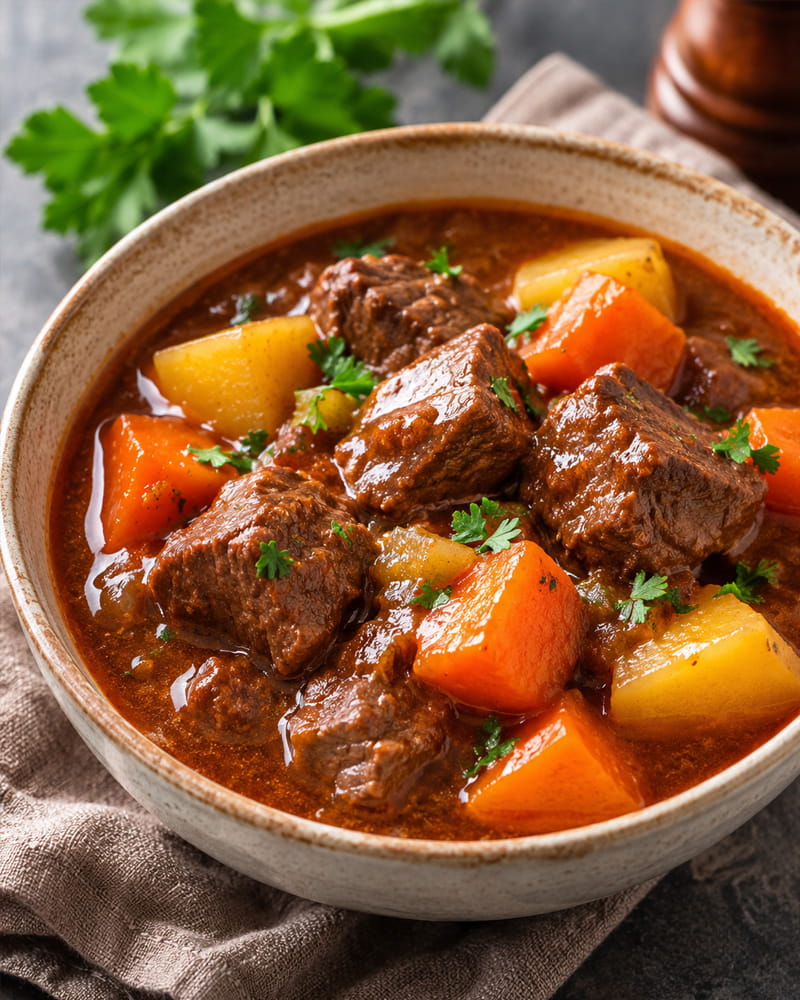
Beef remains one of the most popular meat categories in Malaysia. It is commonly used in restaurants, steamboat outlets, western cuisine, local dishes, and hotel buffets.
Popular beef products include:
- Wagyu beef
- Australian beef
- Grain-fed beef
- Grass-fed beef
- Beef cubes
- Beef slices
- Tenderloin
- Ribeye
- Sirloin
Premium beef products are especially in demand among fine dining establishments and upscale food service businesses.
Poultry
Chicken is widely consumed across Malaysia because it is versatile, affordable, and suitable for various cuisines.
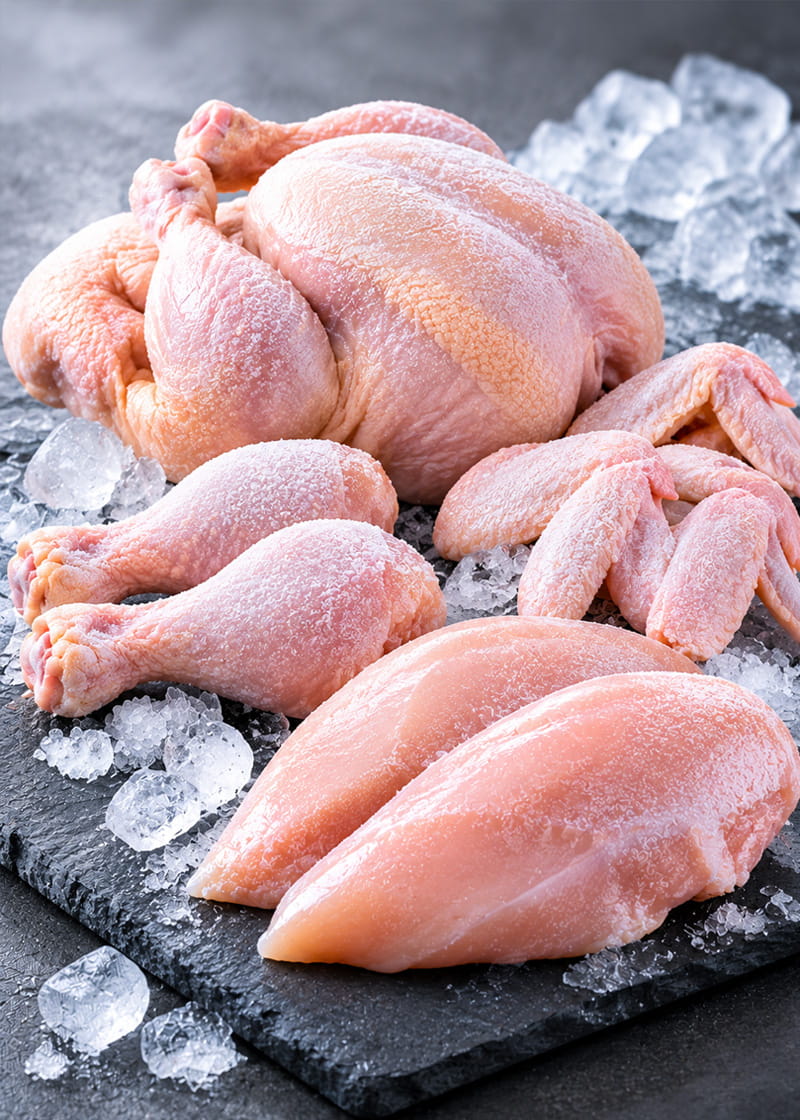
Common poultry products include:
- Whole chicken
- Chicken breast
- Chicken wings
- Chicken drumsticks
- Boneless chicken
- Marinated chicken products
Fresh poultry products are highly sought after by restaurants, food courts, cafés, and catering businesses.
Lamb and Mutton
Lamb and mutton products are commonly used in Middle Eastern cuisine, western restaurants, hotels, and barbeque establishments.
Popular options include:
- Lamb shoulder
- Lamb rack
- Lamb chop
- Lamb shank
- Mutton cubes
Imported lamb from Australia and New Zealand is particularly popular due to its tenderness and premium quality.
Seafood and Processed Meat
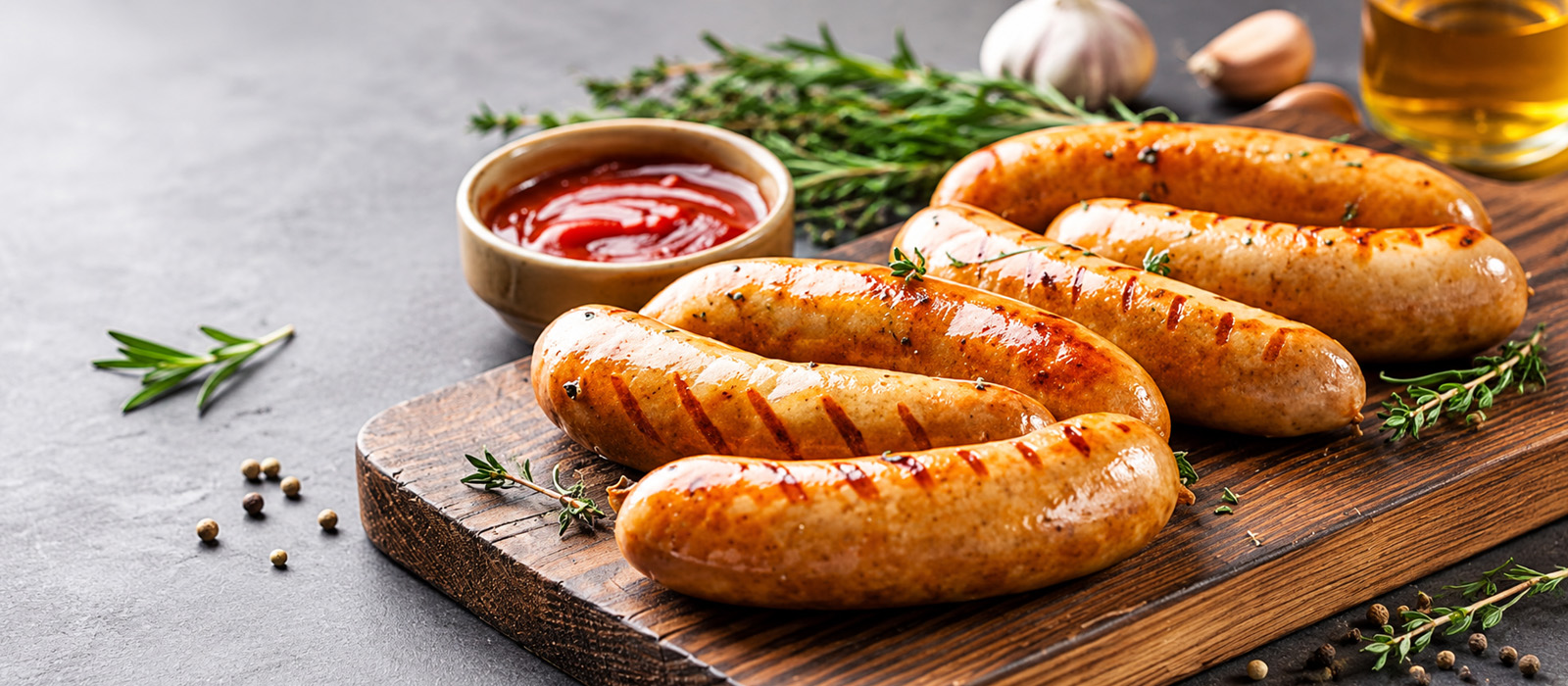
Many suppliers involved in the meat industry in Malaysia also distribute seafood and processed meat products such as:
- Sausages
- Meatballs
- Burger patties
- Smoked meats
- Frozen seafood
- Ready-to-cook products
These products are widely used in commercial kitchens and retail businesses.
Importance of Halal Certification in Malaysia
Halal certification is one of the most important considerations in the Malaysian food industry. Consumers and businesses alike prefer suppliers that comply with recognised halal standards.
Reliable meat suppliers ensure that:
- Slaughtering processes follow halal guidelines
- Meat handling complies with hygiene standards
- Storage and transportation maintain halal integrity
- Products are certified by recognised halal authorities
Halal-certified meat products increase consumer confidence and allow businesses to serve a wider customer base throughout Malaysia.
Why Quality Matters in Meat Supply
High-quality meat directly affects taste, texture, food safety, and customer satisfaction. Businesses that use premium meat products often experience better customer retention and stronger brand reputation.
A trusted meat supplier in Malaysia typically focuses on:
Freshness
Fresh meat retains better flavour, tenderness, and nutritional value. Proper cold-chain management helps maintain product freshness from processing to delivery.
Hygiene and Food Safety
Strict hygiene protocols reduce contamination risks and ensure compliance with food safety regulations.
Consistent Supply
Restaurants and food businesses require consistent inventory to avoid disruptions in operations.
Professional Packaging
Vacuum-sealed and properly labelled packaging improves shelf life and preserves meat quality during transportation.
Meat Malaysia for Restaurants and Food Businesses
Restaurants and food service operators depend heavily on reliable meat suppliers to maintain menu quality and operational efficiency.
A professional meat supplier can support businesses with:
- Bulk supply capabilities
- Consistent product quality
- Scheduled delivery services
- Custom meat cutting
- Portion control solutions
- Frozen and chilled storage options
Food businesses often work with suppliers that can accommodate customised specifications according to their operational requirements.
Imported vs Local Meat in Malaysia
Both imported and locally sourced meat products are widely available in Malaysia. Each option offers different advantages depending on business needs and customer preferences.
Imported Meat
Imported meat is often preferred for premium dining experiences due to:
- Superior marbling
- Higher consistency
- Specialised breeding standards
- Premium texture and flavour
Common imported sources include Australia, New Zealand, Japan, and the United States.
Local Meat
Local meat products are valued for:
- Faster distribution
- Freshness
- Competitive pricing
- Support for local agriculture
Many Malaysian consumers appreciate locally sourced poultry and beef products for daily consumption.
Cold Chain Logistics and Meat Distribution
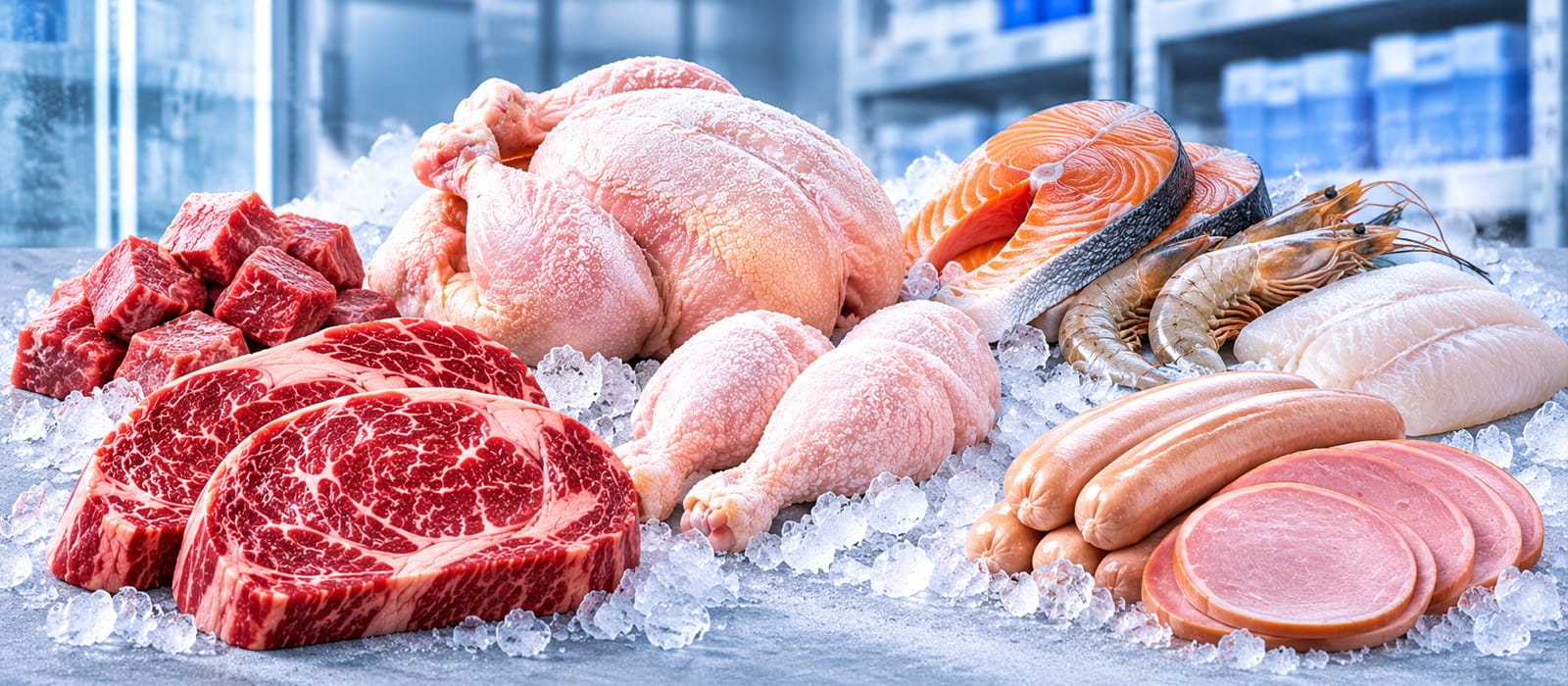
Cold-chain logistics play a critical role in the meat industry in Malaysia. Meat products must remain at controlled temperatures throughout transportation and storage to preserve quality and safety.
Reliable suppliers invest in:
- Refrigerated vehicles
- Temperature-controlled warehouses
- Hygienic storage systems
- Fast delivery operations
Efficient logistics help reduce spoilage while ensuring products reach customers in optimal condition.
Choosing the Right Meat Supplier in Malaysia
Selecting the right meat supplier can significantly impact food quality, operational consistency, and customer satisfaction.
Here are several important factors to consider:
Product Quality
Always evaluate meat freshness, texture, appearance, and consistency before selecting a supplier.
Halal Certification
Ensure the supplier complies with recognised halal standards and certifications.
Product Range
Choose suppliers that offer a comprehensive range of meat products to simplify procurement processes.
Delivery Reliability
Timely delivery is essential for restaurants, retailers, and food manufacturers.
Industry Experience
Experienced suppliers typically provide better product knowledge, operational support, and customer service.
Competitive Pricing
Reliable suppliers should offer fair pricing without compromising product quality.
Future Trends in the Meat Malaysia Industry
The Malaysian meat industry continues to evolve with changing consumer preferences and technological advancements.
Several emerging trends include:
- Increased demand for premium meat products
- Growth in frozen ready-to-cook meals
- Sustainable and ethical sourcing
- Improved food traceability systems
- Expansion of online meat delivery services
- Greater focus on food safety and quality assurance
Businesses that adapt to these trends can remain competitive in the growing food industry.
Conclusion
The meat industry in Malaysia plays a crucial role in supporting households, restaurants, hotels, retailers, and food manufacturers throughout the country. As consumers increasingly prioritise freshness, halal certification, hygiene, and premium quality, reliable meat suppliers have become more important than ever.
Whether sourcing beef, poultry, lamb, seafood, or processed meat products, choosing a trusted supplier ensures consistent quality, food safety, and operational efficiency. Businesses that invest in high-quality meat products can enhance customer satisfaction while strengthening their brand reputation in Malaysia’s competitive food market.
As the demand for premium meat products continues to rise, the future of the meat industry in Malaysia remains highly promising for both suppliers and food businesses alike.
FAQs About Meat Malaysia
The best meat supplier in Malaysia should provide fresh products, halal certification, reliable delivery services, competitive pricing, and consistent quality for both retail and commercial customers.
Yes. Halal certification is extremely important in Malaysia because it ensures that meat products comply with Islamic dietary requirements and recognised hygiene standards.
Common products include beef, chicken, lamb, mutton, seafood, sausages, burger patties, and frozen processed meats.
Cold-chain logistics help maintain freshness, prevent spoilage, and ensure food safety during storage and transportation.
Imported meat is often preferred for premium dining due to its marbling and consistency, while local meat is valued for freshness and affordability.
Yes. Many meat suppliers provide bulk supply, contractor support, customised specifications, and direct factory sourcing for restaurants, hotels, and food manufacturers.
Look for suppliers with strong industry experience, halal certification, quality assurance systems, professional packaging, and dependable delivery services.
Yes. Properly frozen meat maintains its quality and nutritional value when stored and handled under suitable temperature conditions.